A chronic disease that could put fertility and overall health at risk.
Endometriosis is a chronic gynecological disease affecting 10-15% of women of reproductive age in Italy.
It’s caused by endometrial tissue growing outside the uterus. During the menstrual cycle, the ectopic tissue sheds, and fragments are implanted on other organs (the ovaries, vagina, bowel, etc.). As these fragments grow and bleed, they cause chronic inflammation, scar tissue, and adhesions, which can lead to infertility if not treated.
Timely diagnosis is crucial for preventing more serious gynecological health issues and mitigating the disease’s negative effects on quality of life.
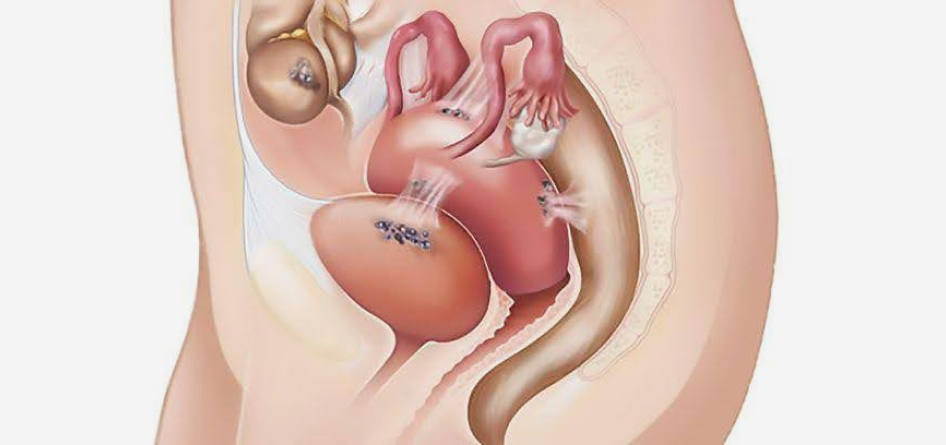
Endometriosis causes symptoms that mostly involve pain and vary in intensity. If not addressed promptly, they can gradually impair daily activity, cause severe damage to pelvic organs, and threaten vital functions (such as fertility). To stay ahead, you must instantly respond to:
Painful menstruation
Pain during intercourse
Chronic pelvic pain
Painful bowel movement or urination
If you experience severe symptoms, please see a specialist as soon as possible.
It can take a long time and several tests to diagnose endometriosis because its symptoms are similar to those of other conditions.
When the disease is identified, treatment strategies can vary based on its stage, the patient’s age and symptoms, and their desire for future pregnancy. A therapeutic approach may include medical treatment, surgical intervention, or a combination of both.
In any case, it’s important to consider the patient's overall health before proceeding with surgery for endometriosis. My first-line approach includes minimally invasive techniques (laparoscopic and robotic surgery) for the removal of endometriomas, severe endometriotic growths in the pelvic area, and vital organ adhesions.
For appointments, call my office every Thursday between 9.30 and 15.30.



