A malignant pathology of the womb with high rates of early detection and cure.
Endometrial cancer is the result of a malignant tumor originating in the inner covering layer of the uterus (endometrium).
It's the most common type of uterine cancer in the developed world. Endometrial tumors are often identified early in their development due to their clear symptoms, such as irregular bleeding. The first line of defense is minimally invasive surgical treatment, followed by radiation or chemotherapy if deemed necessary or the disease has advanced.
Prevalent risk factors are age, hormonal irregularities, obesity, genetic predisposition (Lynch syndrome), PCOS, Tamoxifen use, and never giving birth. Prevention requires regular screening for high-risk women. A proactive intervention may be a womb removal after having children.
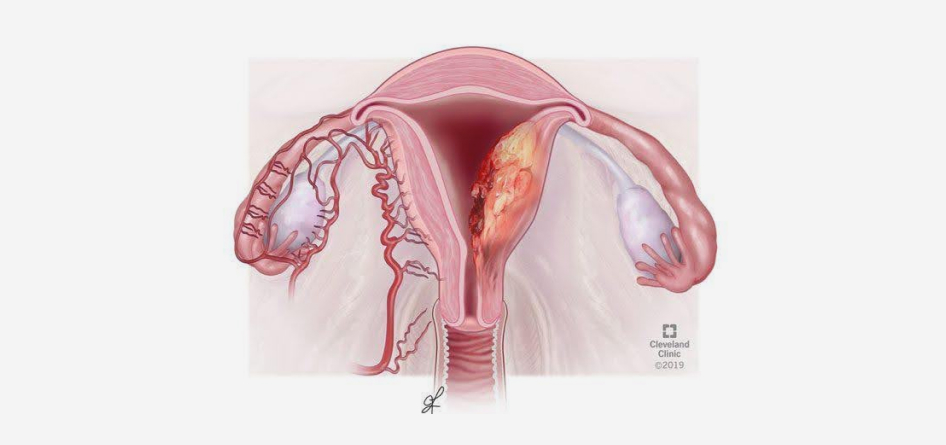
Endometrial cancer is linked to specific symptoms, mainly abnormal bleeding. The disease is highly symptomatic in its early stages, allowing for timely intervention and treatment. The prevalent signs before and after menopause are:
Premenopause: intermenstrual or heavy menstrual bleeding
Postmenopause: any kind of bleeding
If you experience these symptoms, please see a specialist as soon as possible.
Based on symptoms and clinical history, endometrial cancer is diagnosed through processes such as a pelvic exam, a transvaginal ultrasound, or a hysteroscopy and an endometrial biopsy. Additional tests are conducted to determine the severity of the disease (stage I, II, III, or IV) before proceeding with the appropriate treatment.
The standard treatment for endometrial cancer is a minimally invasive (laparoscopic or robotic) removal of the womb (hysterectomy) and the ovaries and fallopian tubes (salpingo-oophorectomy). In some cases, pelvic-area lymph nodes may also be removed (lymphadenectomy) to assess cancer severity. Early-stage surgery may be followed by radiotherapy depending on the risk. In advanced cases, radiation or chemotherapy is administered to conclude treatment.
Post-treatment, regular follow-ups include standard physical examinations and various imaging or blood tests to monitor therapeutic progress, prevent complications, and manage long-term side effects.
For appointments, call my office every Thursday between 9.30 and 15.30.



