Screening and evaluation of female infertility after a prolonged inability to conceive.
Female infertility is the inability to conceive after 12 months of regular, unprotected sex (or 6 months for women over 35).
Infertility can be primary or secondary (difficulty conceiving after a previous pregnancy). It’s a complex issue attributed to various causes, such as ovulatory disorders (25-30%), tubal factors (20-30%), uterine factors (10-15%), endometriosis (5-10%), age-related decline, or other medical conditions (obesity, thyroid disorder). Almost 20% of infertility cases have no identifiable cause.
After being diagnosed by thorough testing and evaluation, infertility can be addressed through clinical interventions or Assisted Reproductive Technology (IUI, IVF).

Testing for infertility usually begins after a year of trying to conceive without success. It starts with physical exams and an individual and family history review (medical, menstrual, and sexual), followed by a series of exhaustive examinations:
Blood tests for ovulation confirmation and hormone levels assessment
Imaging tests (transvaginal ultrasound, hysterosalpingography, sonohysterography) to investigate possible infertility causes in the female reproductive organs
Minimally invasive surgical exam (laparoscopy) to detect issues such as endometriosis, adhesions, polyps, etc.
If you suspect infertility issues, please see a specialist for initial screening as soon as possible (especially if you are over 35).
Evaluation results often lead to the specific cause of female infertility. Initial treatment may be medicine-based (ovulation problems, polycystic ovary syndrome) or surgical (unblocking the fallopian tubes, treating endometriosis via laparoscopy).
If infertility remains unexplained or persistent, it can be addressed through Assisted Reproductive Technology. Usual ART methods include placing sperm into the uterus (IUI), fertilizing the eggs in a lab before transferring the embryo to the uterus (IVF), and injecting a single sperm into the egg (ICSI). In case a woman must delay pregnancy (due to cancer treatment, for example), fertility can be preserved by freezing the egg or embryo.
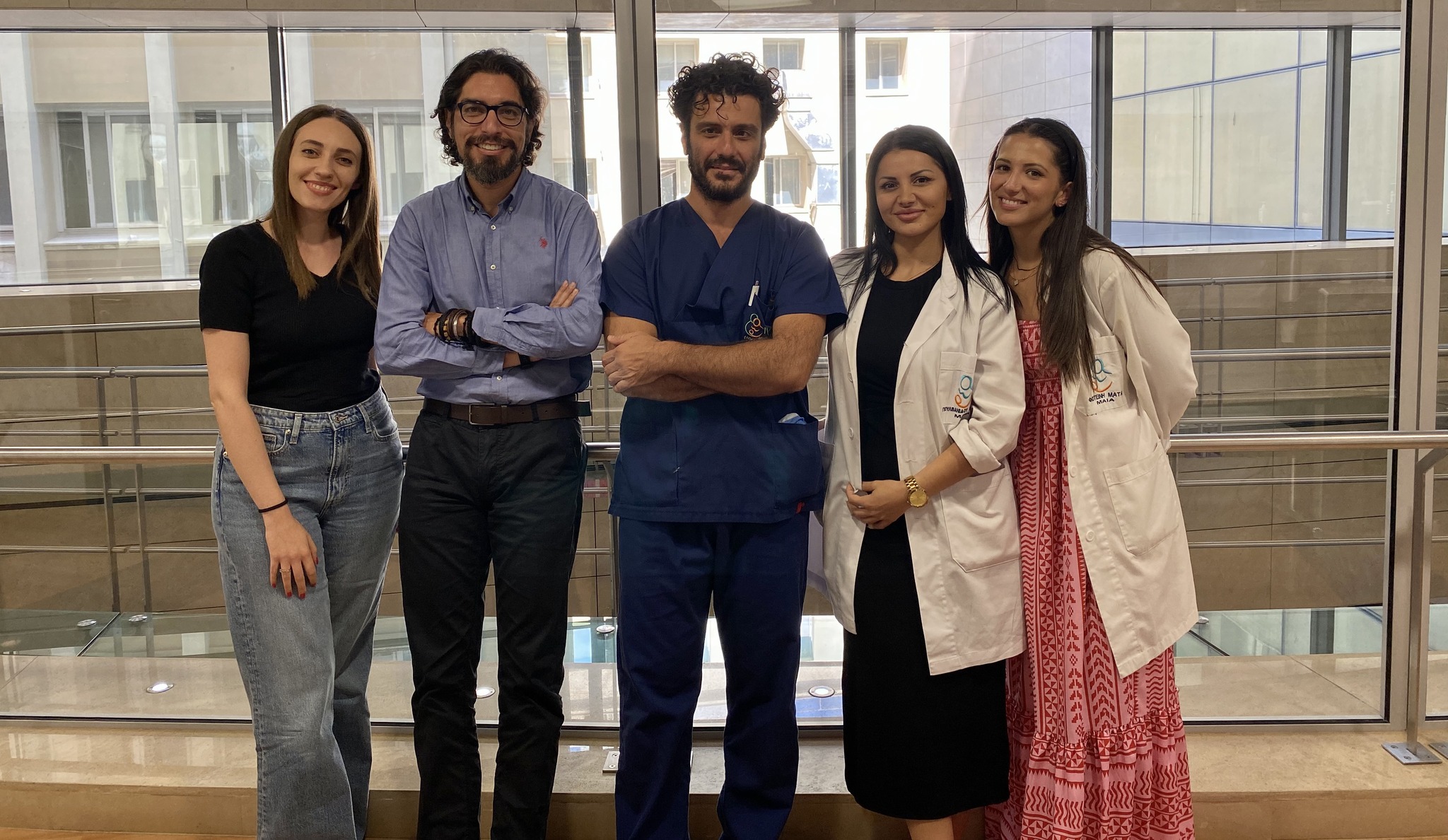
Besides via consultation and initial screening, I have supported women’s fertility by lending my expertise to the Gyn Care clinic in Athens, Greece, contributing to the center’s high rate of successful IVF pregnancies.
For appointments, call my office every Thursday between 9.30 and 15.30.



