A malignant pathology of the cervix, preventable through early screening and vaccination.
Cervical cancer is the result of a malignant tumor that develops in the cervix, the lower part of the womb that leads to the vagina. In Italy, it's the 5th most common cancer in women under 50 (most frequent between 35-45 years) with a 5-year survival rate of 68%.
There are two main types of cervical cancer, the highly common (approx. 80%) squamous cell carcinoma in the outer cervix, and the adenocarcinoma (approx 20%) in the inner cervix. The primary cause of cervical cancer is a group of viruses known as HPV (Human Papillomavirus), which mainly spread through sexual contact.
The risk increases with factors such as multiple sex partners, smoking, and a suppressed immune system. Regular cervical screening (HPV test, PAP test) can help identify imminent risk and prevent cervical cancer. Another effective means of prevention is the HPV vaccine.
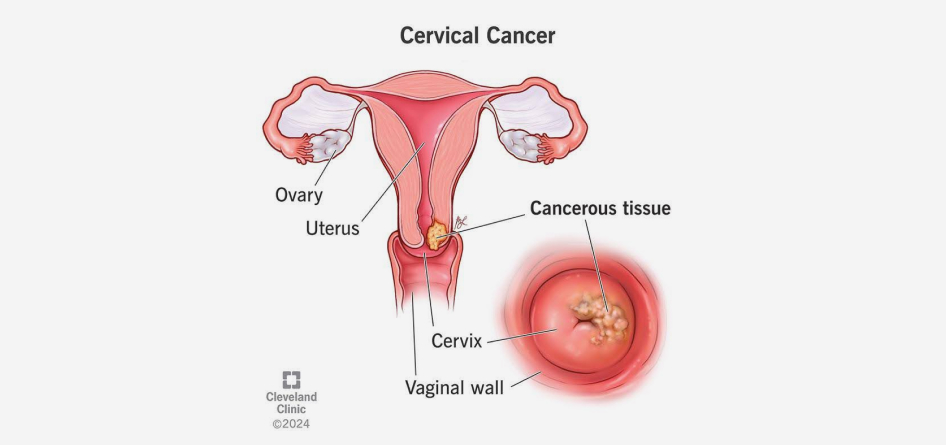
Cervical cancer is often asymptomatic in the early stages, making its timely detection more difficult. As its symptoms are similar to those of other conditions, it’s easy to overlook or get used to them. Signs that may be linked to the disease are:
Abnormal vaginal bleeding
Non-bloody vaginal discharge
Pain during intercourse
Pelvic pain or malodorous discharge (advanced stages)
If you experience these symptoms, please see a specialist as soon as possible.
While an HPV test detects the possibility of cervical cancer, a PAP test can also detect cancerous cells in the cervix. The diagnosis is concluded through a colposcopic exam. The next step is to go through a series of imaging exams to determine the stage of the disease and its subsequent treatment.
Treatment depends on cancer severity and location, patient condition, and whether or not fertility must be preserved. The appropriate surgical approach can range from targeted cancer removal (conization) to cervix removal (trachelectomy) to the removal of the cervix and womb (hysterectomy). Post-surgery, radiotherapy or chemotherapy may be necessary to complete treatment. For advanced cervical cancer, radiotherapy or radiochemotherapy may be used as the main medical procedure.
Following treatment, regular physical exams and screenings must be scheduled to monitor health, prevent any recurrences, and manage long-term complications.
For appointments, call my office every Thursday between 9.30 and 15.30.



