A routine examination for the timely detection and effective prevention of cervical cancer.
The Pap test is a highly effective method of cervical screening, a vital prevention measure that can reduce cervical cancer deaths by up to 80%.
Through microscopic examination of cervical cells, the test identifies any abnormal changes, both pre-cancerous (cervical dysplasia) and cancerous, leading to early detection and successful treatment in most cases. Besides early signs of cancer, the Pap test can also detect other conditions, such as HPV infection and cervical inflammation.
Women aged 25-65 must be tested every 3 years. After the age of 30-35, it’s recommended to combine the Pap test with an HPV test. The Pap test is a widely available, affordable examination.
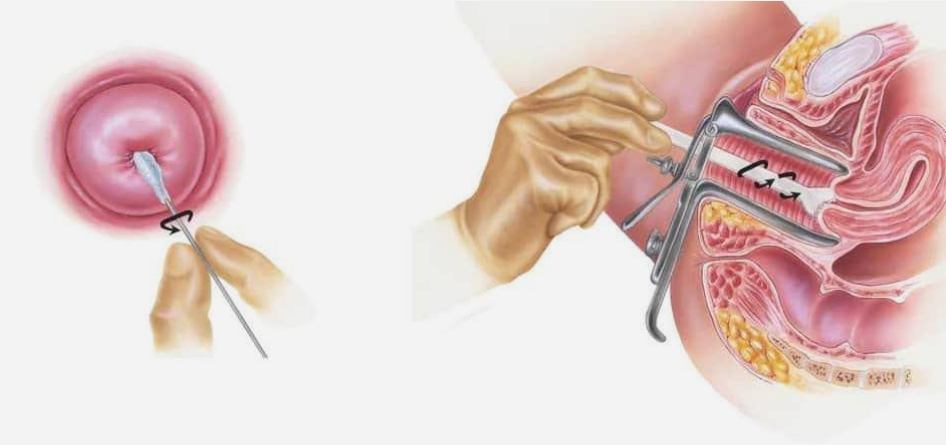
Preparation before a Pap test depends on your physician’s guidelines, which may include briefly avoiding specific practices, such as taking a bath or using vaginal medicines. The examination procedure is relatively gentle, with the possibility of mild discomfort during cell collection:
The vagina is kept open with a speculum to allow access to the cervix
Cells are scraped from the cervix (inside and outside) with a small instrument
Samples are smeared on a slide or placed in a special liquid and sent for analysis
If you have any questions before the examination, don’t hesitate to ask your specialist.
Pap test results are divided into normal and abnormal, which may require further evaluation but are not necessarily related to cancer.
Abnormal findings range from minor (often caused by HPV) to moderate or severe (suspect for lesion or cancer). Depending on the result severity, immediate follow-up examinations may include an HPV test, a colposcopy, or an endometrial biopsy.
Cancerous findings are very rare in women who have regular Pap tests.
For appointments, call my office every Thursday between 9.30 and 15.30.



